
Blood Pressure Control Through Smart Nutrition
Master the science of heart-healthy eating with Nutrimentalpro's comprehensive guide for men. Learn which nutrients matter most, how to build sustainable meal habits, and why proper nutrition is the foundation of cardiovascular wellness.
The information on this site is for educational purposes only and does not constitute medical advice. Always consult a qualified healthcare professional before making health decisions.
Why Blood Pressure Control Matters
Optimal Blood Pressure Target
The standard healthy baseline for most adults
Impact of Nutrition on Blood Pressure
Diet plays a major role in cardiovascular health
Daily Sodium Limit
Recommended maximum intake per day
Target Potassium Daily
Essential mineral for healthy blood pressure
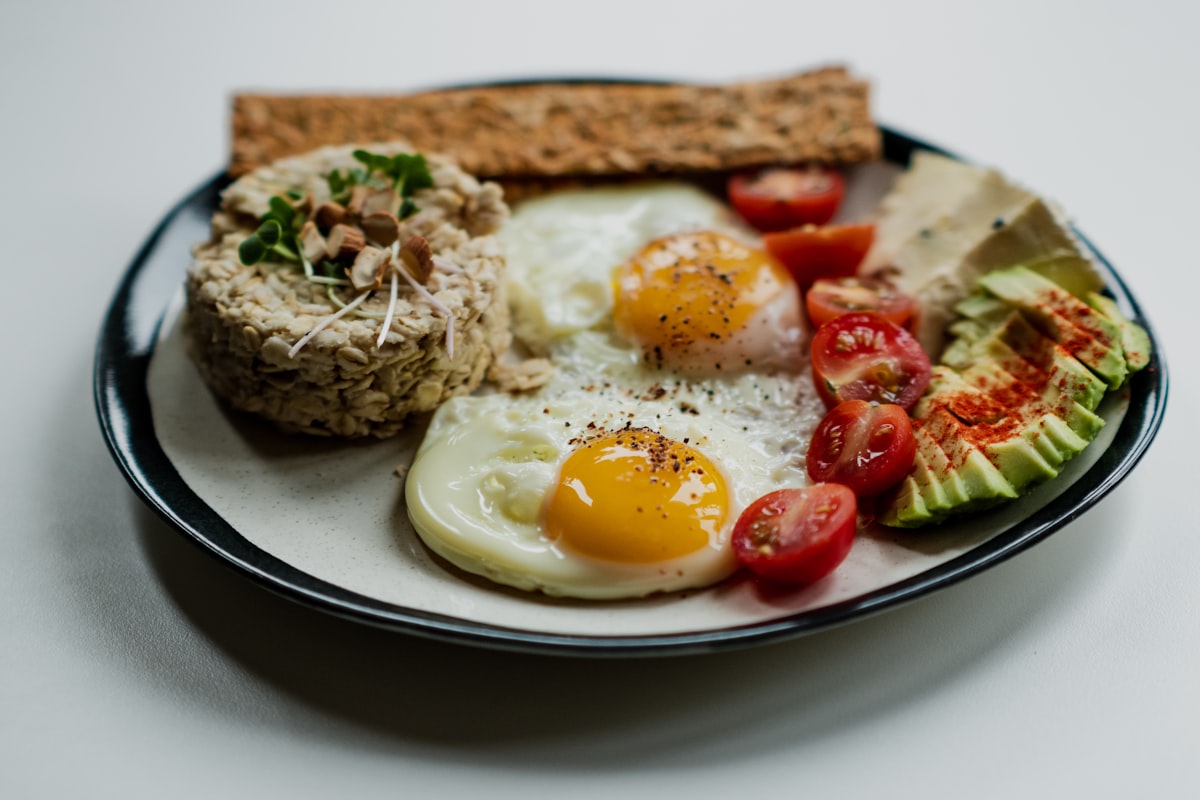
The Foundation of Heart Health
Your dietary choices directly influence blood pressure levels and overall cardiovascular function. By understanding which nutrients support healthy blood vessel function, fluid balance, and arterial flexibility, men can take proactive steps toward sustainable wellness without relying on restrictive eating patterns.
Nutrimentalpro's evidence-based approach focuses on whole foods, natural minerals, and sustainable habits that fit into real-world lifestyles. Whether you're managing current concerns or building preventive health practices, proper nutrition is the cornerstone of long-term cardiovascular resilience.
- Nutrient-dense foods that support healthy blood vessel function
- Balanced electrolytes including potassium, magnesium, and calcium
- Sustainable meal patterns you can maintain for life
Essential Nutrients for Men's Heart Health
Potassium
Supports healthy arterial function and helps balance fluid levels in the body. Found in bananas, sweet potatoes, spinach, and beans.
Target: 4,700mg daily for optimal cardiovascular support
Magnesium
Promotes blood vessel relaxation and regulates heart rhythm. Essential mineral found in nuts, seeds, whole grains, and leafy greens.
Target: 400-420mg daily for men to support muscle and nerve function
Calcium
Works with other minerals to regulate vascular function and maintain healthy blood pressure. Sources include dairy, fortified plant milks, and leafy vegetables.
Target: 1,000-1,200mg daily for adult men
Dietary Fiber
Supports healthy cholesterol levels and promotes overall cardiovascular wellness. Found in whole grains, vegetables, fruits, and legumes.
Target: 30-38g daily for optimal digestive and heart health
Omega-3 Fatty Acids
Supports healthy blood vessel function and promotes cardiovascular resilience. Rich sources include salmon, mackerel, sardines, and flaxseeds.
Target: 2-3 servings of fatty fish weekly for heart support
Antioxidants
Protect blood vessels from oxidative damage and support cellular health. Found in berries, citrus fruits, tomatoes, and colorful vegetables.
Include a variety of colorful produce daily for maximum nutritional benefit
Your 30-Day Nutrition Transformation Plan
Follow this practical four-week framework to establish sustainable eating habits that support healthy blood pressure and cardiovascular wellness.
Week 1: Assess & Establish
Begin by reviewing your current eating patterns and identifying sodium intake sources. Start reducing processed foods and gradually increase fresh whole foods. Focus on adding potassium-rich vegetables like spinach, broccoli, and sweet potatoes to each meal.
Key action: Keep a simple food log to track your progress and identify patterns
Week 2: Build Balanced Meals
Create meals with lean proteins, whole grains, and colorful vegetables. Incorporate two servings of fatty fish this week. Practice portion awareness and experiment with herbs and spices instead of salt for flavor enhancement.
Key action: Plan and prepare three days of meals in advance to ensure consistency
Week 3: Optimize Micronutrients
Focus on meeting daily targets for magnesium, calcium, and fiber. Add nuts, seeds, and legumes to snacks and meals. Include dark leafy greens at lunch and dinner, and choose whole grain options for bread and cereals.
Key action: Track your micronutrient intake to ensure you're meeting daily targets
Week 4: Solidify & Sustain
Review your progress and identify which habits feel sustainable. Establish your personalized meal rotation that works for your lifestyle. Focus on maintaining low-sodium choices and increasing antioxidant-rich colorful foods.
Key action: Plan your next 30 days using recipes and meal ideas that you actually enjoy
Recommended Foods and Meal Ideas
Leafy Greens
Spinach, kale, arugula, and chard are rich in potassium, magnesium, and calcium. Add to salads, smoothies, or sauté as a side dish.
Best meal ideas:
- • Spinach salad with olive oil and lemon
- • Kale chips baked with minimal salt
- • Sautéed greens with garlic and herbs
- • Green smoothie with banana and berries
Fatty Fish
Salmon, mackerel, sardines, and herring provide omega-3 fatty acids that support cardiovascular health. Aim for 2-3 servings weekly.
Best meal ideas:
- • Grilled salmon with roasted vegetables
- • Baked mackerel with lemon and herbs
- • Sardine salad with olive oil dressing
- • Fish tacos with whole grain tortillas
Legumes & Beans
Black beans, lentils, chickpeas, and kidney beans are excellent sources of fiber, potassium, and plant-based protein.
Best meal ideas:
- • Lentil soup with vegetable broth
- • Chickpea curry with brown rice
- • Black bean chili with whole grain toast
- • Hummus snack with carrot and cucumber
Whole Grains
Oatmeal, brown rice, quinoa, and whole wheat bread provide sustained energy and dietary fiber for cardiovascular wellness.
Best meal ideas:
- • Steel-cut oatmeal with berries and nuts
- • Brown rice pilaf with roasted vegetables
- • Quinoa salad with tomatoes and cucumber
- • Whole wheat pasta with herb tomato sauce
Nuts & Seeds
Almonds, walnuts, flaxseeds, and chia seeds deliver healthy fats, minerals, and nutrients. Use as snacks or add to meals.
Best meal ideas:
- • Handful of almonds as a snack
- • Flaxseed added to yogurt or smoothies
- • Walnut-topped salad for crunch
- • Chia seed pudding for breakfast
Colorful Vegetables
Carrots, bell peppers, tomatoes, and broccoli are packed with antioxidants and minerals that support heart health.
Best meal ideas:
- • Stir-fry with mixed vegetables and lean meat
- • Roasted vegetable medley with olive oil
- • Fresh vegetable stew with herbs
- • Raw veggie platter with hummus dip
Common Questions About Blood Pressure Control Diet
Dietary changes can influence blood pressure within weeks, though individual responses vary. Some men notice improvements within 2-4 weeks of consistently following a heart-healthy eating pattern. Long-term sustainability is more important than rapid changes—focus on building habits you can maintain for life. Tracking trends over time is more meaningful than day-to-day fluctuations.
Absolutely. The goal is sustainable change, not restriction. You can enjoy your favorite foods by adjusting portion sizes, using cooking methods like baking or grilling instead of frying, and enhancing flavor with herbs and spices rather than salt. The key is balance—enjoy your foods while keeping micronutrient intake in mind. Small portions of foods you love, combined with plenty of heart-healthy choices, creates a sustainable approach.
The recommended limit is 2,300mg daily, though some research suggests further reduction to 1,500mg can benefit cardiovascular health. Most dietary sodium comes from processed and prepared foods rather than table salt. Focus on reading labels, choosing fresh whole foods, and using herbs like garlic, oregano, and basil for flavor. Gradually reducing sodium intake helps your taste preferences adjust over time.
Plant-based proteins are excellent alternatives to animal products and offer numerous health benefits. Legumes like lentils, chickpeas, and black beans are protein powerhouses, providing 15-20g of protein per cooked cup along with fiber and minerals. Tofu and tempeh are versatile soy products offering complete proteins with all essential amino acids. Nuts and seeds including almonds, pumpkin seeds, and hemp seeds deliver protein plus healthy fats. Whole grains like quinoa, farro, and brown rice contribute protein when combined with legumes. Nutritional yeast adds a savory flavor and B vitamins. Plant-based protein powders from pea, hemp, or brown rice can supplement whole foods. Combining different plant proteins throughout the day ensures you get all amino acids needed for optimal muscle function and recovery.
Sustained energy comes from balanced nutrition, hydration, and lifestyle habits. Start with a nutritious breakfast containing complex carbs, protein, and healthy fats—think oatmeal with nuts and berries or eggs with whole grain toast. Eat regular, balanced meals and snacks every 3-4 hours to prevent blood sugar crashes. Include protein at each meal to stabilize glucose and maintain satiety. Choose complex carbohydrates like whole grains, sweet potatoes, and legumes over refined options. Stay hydrated by drinking water consistently throughout the day—dehydration often masquerades as fatigue. Limit sugary drinks and excessive caffeine that cause energy spikes followed by crashes. Include iron-rich foods like spinach, beans, and lean meats for oxygen transport. Get regular physical activity, adequate sleep (7-9 hours), and manage stress through meditation or yoga. These combined strategies create sustained energy without relying on stimulants.
What Our Clients Say
Real transformations from people who prioritized their nutritional health
"Following Nutrimentalpro's personalized nutrition plan, I lost significant weight in 4 months and feel more energetic than ever. The meal suggestions are practical and delicious!"
Sarah Rodriguez
Health & Wellness Coach
"My energy levels improved dramatically after implementing their recommendations. I no longer have afternoon crashes and my workouts are more productive."
Michael Johnson
Fitness Enthusiast
"As someone with autoimmune concerns, the customized nutritional guidance has been life-changing. I finally understand which foods support my health."
Elena López
Wellness Advocate
Ready to Transform Your Nutrition?
Start your journey toward better health with Nutrimentalpro. Access expert nutrition guidance, personalized meal plans, and science-backed strategies designed to optimize your wellness.
No credit card required • Join thousands of health-conscious individuals
Nutrimentalpro
Empowering healthier lives through evidence-based nutrition science and personalized wellness strategies.
Support
© 2024 Nutrimentalpro. All rights reserved. | Designed with for your wellness