
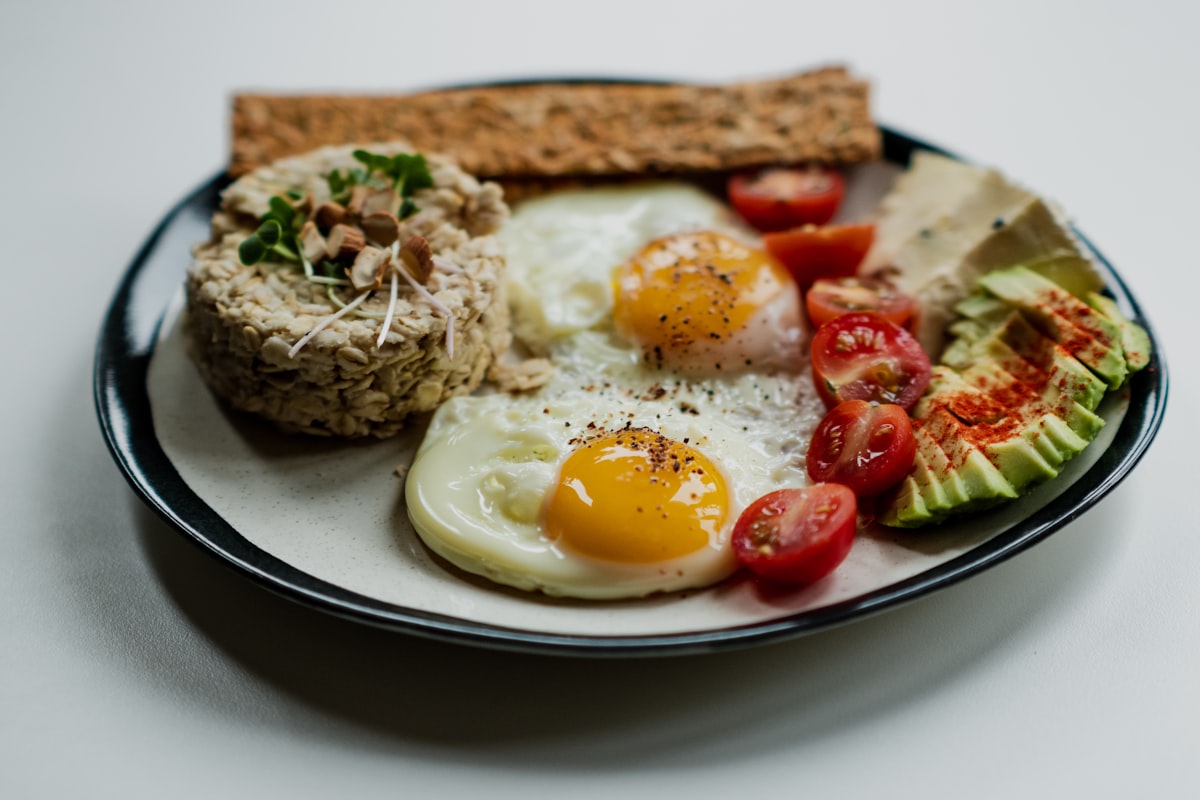
Take Control of Your Heart Health
Your nutrition is the foundation of cardiovascular wellness. Nutrimentalpro's comprehensive guide empowers men to manage blood pressure naturally through evidence-based dietary strategies and lifestyle practices. Learn how the right nutrients can transform your heart health journey.
Blood pressure management begins in the kitchen. Discover the science behind key nutrients, meal planning strategies, and everyday habits that support optimal cardiovascular function.
The information on this site is for educational purposes only and does not constitute medical advice. Always consult a qualified healthcare professional before making health decisions.
Why Nutrition Matters for Blood Pressure Control
Scientific research demonstrates that targeted dietary choices can significantly influence cardiovascular health. Your eating habits directly affect blood vessel function, sodium balance, and overall heart performance.
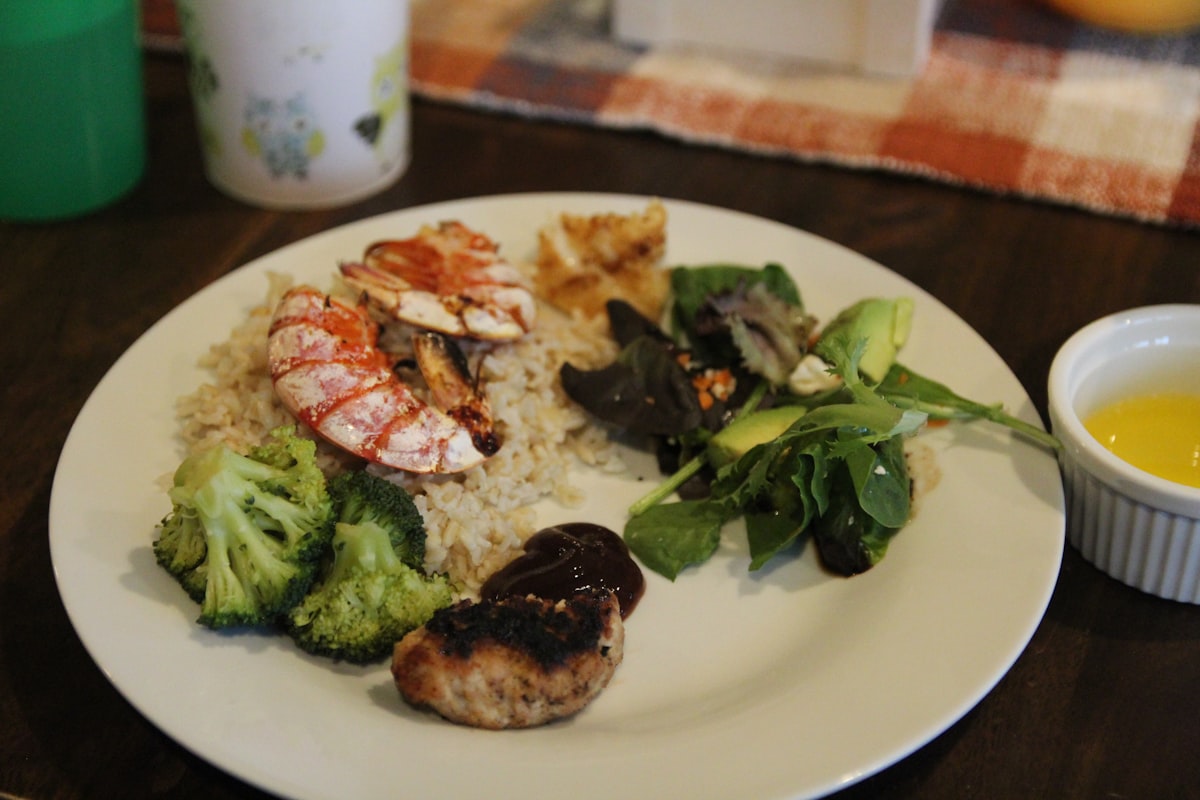
Potassium & Mineral Balance
Potassium-rich foods help offset sodium's effects and support healthy blood vessel elasticity. Magnesium and calcium play equally crucial roles in maintaining consistent cardiovascular rhythm.
Sodium Awareness & Control
Understanding hidden sodium in processed foods and learning cooking techniques that reduce salt dependence are foundational skills for long-term cardiovascular wellness.
Antioxidant Protection
Vitamins C and E, along with plant compounds, protect blood vessels from oxidative stress and support healthy endothelial function throughout your cardiovascular system.
Essential Nutrients for Healthy Blood Pressure
These key nutrients form the nutritional foundation for maintaining optimal cardiovascular function and supporting natural blood pressure balance.
Potassium
Essential mineral that regulates fluid balance and supports healthy blood vessel function. Found abundantly in bananas, spinach, sweet potatoes, and fish.
Magnesium
Helps relax blood vessels and supports normal cardiovascular rhythm. Sources include pumpkin seeds, almonds, dark leafy greens, and whole grains.
Calcium
Vital for vascular contraction and relaxation. Excellent sources include dairy products, fortified plant milks, leafy greens, and salmon with bones.
Nitrates
Support blood vessel flexibility and circulation. Naturally present in beets, arugula, spinach, and other dark leafy vegetables.
Antioxidants
Protect blood vessels from oxidative damage. Rich in berries, dark chocolate, nuts, olive oil, and colorful vegetables of all types.
Omega-3 Fatty Acids
Support cardiovascular function and healthy inflammation response. Sources include salmon, mackerel, sardines, walnuts, and flaxseeds.
Your 4-Week Nutrition Transformation Journey
A structured approach to integrating heart-healthy nutrition into your daily life. Each week builds on the previous one, creating lasting dietary habits.
Week 1: Awareness
Track your current eating patterns and identify hidden sodium sources. Learn to read nutrition labels and understand portion sizes. Document your baseline habits without judgment.
Week 2: Integration
Begin incorporating potassium-rich foods into each meal. Add leafy greens to breakfasts, include fish options, and experiment with herbs instead of salt for flavor.
Week 3: Optimization
Refine meal planning with complete cardiovascular nutrition principles. Master cooking techniques that preserve nutrients. Develop snack strategies aligned with your wellness goals.
Week 4: Mastery
Establish sustainable habits that support long-term cardiovascular health. Build personal meal plans, grocery strategies, and restaurant choices aligned with your nutrition goals.
Real Men, Real Results
Discover how men across Indonesia have transformed their approach to nutrition and cardiovascular wellness through evidence-based strategies.
"The nutrition guide completely changed my understanding of how food impacts my cardiovascular health. I learned that controlling salt intake and adding potassium-rich foods wasn't about deprivation—it was about smart choices. Within weeks, I noticed improvements in how I felt daily, and my energy levels increased significantly. This program taught me sustainable habits that fit into my real life, not some restrictive diet."
Rudi Santoso
Jakarta
"As someone who thought nutrition science was complicated, this guide broke everything down into actionable steps. I appreciated learning about specific nutrients and which foods contain them, rather than vague dietary advice. The meal planning approach helped me integrate these changes gradually, making them stick. I've recommended this to several friends and colleagues already."
Bambang Wijaya
Bandung
"I struggled with understanding which dietary changes would actually benefit my cardiovascular health versus what was just marketing hype. This resource provided clear science-backed information with practical implementation strategies. The nutritional foundation approach helped me build sustainable habits rather than chasing quick fixes. Very comprehensive and well-organized content."
Adi Mulyana
Surabaya
"What impressed me most was the focus on sustainable nutrition rather than strict dieting. The content emphasized understanding your body's needs and making informed choices about the foods you eat. I learned which restaurant choices support my goals and how to prepare meals at home that taste great while supporting cardiovascular wellness. This transformed my relationship with food entirely."
Hendra Setiawan
Medan
Common Questions About Men's Nutrition and Blood Pressure
Find answers to frequently asked questions about nutrition science and cardiovascular wellness.
Health organizations recommend limiting sodium intake to 2,300 mg per day, with an ideal target of 1,500 mg for optimal cardiovascular function. However, most men consume significantly more through processed foods, restaurant meals, and condiments. The key is gradually reducing sodium while increasing potassium-rich foods to maintain flavor and satisfaction. Many men find that their taste preferences adjust within 3-4 weeks of consuming less salt.
Excellent potassium sources include bananas, sweet potatoes, spinach, salmon, white beans, avocados, and mushrooms. Contrary to popular belief, bananas are not the highest potassium source—beans, fish, and leafy greens actually contain more. A balanced approach incorporates potassium across multiple meals rather than relying on single foods. Fresh produce, especially winter squash and tomatoes, provides potassium along with other cardiovascular nutrients.
Yes, magnesium is essential for proper vascular function and helps blood vessels relax and contract appropriately. Research consistently demonstrates that adequate magnesium intake supports healthy cardiovascular rhythm and function. Men often don't consume enough magnesium because processing removes it from grains. Whole grains, nuts, seeds, and dark leafy greens are excellent sources. Including these foods regularly provides this critical nutrient naturally.
Physical activity and nutrition work synergistically for cardiovascular health. While this guide focuses specifically on nutrition, the most effective approach combines dietary improvements with regular movement. Even moderate activities like walking, swimming, or cycling enhance the benefits of nutrition changes. The guide provides information about how to fuel your body appropriately for different activity levels and how to time meals for optimal energy and recovery.
Whole foods are superior to supplements for cardiovascular health because they contain nutrients in natural combinations with fiber, phytochemicals, and other compounds that work synergistically. When you eat a banana or spinach salad, you get potassium plus magnesium, vitamins, and fiber together. Supplements can complement a nutrient-poor diet temporarily, but the foundation should always be whole foods. This guide emphasizes building sustainable eating patterns rather than relying on supplementation.
Many men report feeling improvements in energy levels and overall wellness within 1-2 weeks of making nutrition changes. However, cardiovascular adaptations typically develop over several weeks and months. The four-week journey outlined in our guide provides a realistic timeframe for establishing sustainable habits. Individual responses vary based on starting point, consistency, and overall lifestyle. The key is viewing nutrition changes as permanent lifestyle improvements rather than temporary fixes.
Stay Informed on Heart Health
Subscribe to receive our latest nutrition articles and cardiovascular wellness insights.
We respect your privacy. Unsubscribe at any time.
Start Your Cardiovascular Wellness Journey Today
Access comprehensive nutrition guides, meal planning resources, and evidence-based strategies for supporting your cardiovascular health. Whether you're just beginning or looking to deepen your nutrition knowledge, our editorial content provides the foundation for making informed dietary choices.